Oral Surgery Services in Buckhead
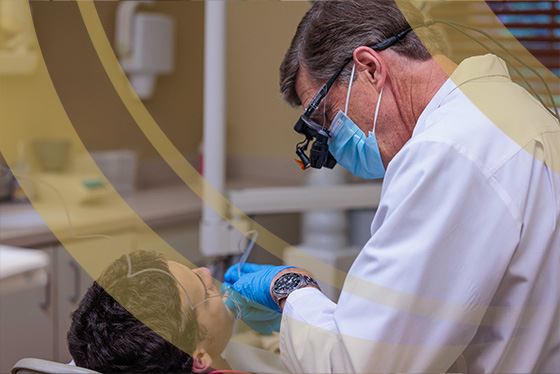
Broken teeth and missing teeth are a common issue that we treat regularly within our office. We always try to save teeth, but sometimes oral surgery is needed to treat these conditions. Thanks to Dr. Collett’s additional training, we can perform these procedures within our office. We also offer IV Sedation if you desire. Book an appointment with us today to see how we can help!
- Tooth Extractions for Optimal Oral Health – For those teeth that cannot be saved, removal is the best option to prevent large infections. We will thoroughly diagnose your tooth’s condition prior to recommending that it be removed. In many cases, patients visit us after dealing with lingering discomfort or swelling that has not resolved on its own. During your visit, we will review digital imaging, talk through your treatment options, and explain what to expect during and after the extraction so you can feel prepared. Our team focuses on keeping you comfortable throughout the procedure and will discuss pain control, healing timelines, and how to protect the surrounding teeth and gums while you recover.
- Wisdom Teeth Removal for Preventive Care – Wisdom teeth are the last molars in the mouth and often stay below the gums for years. As they begin to emerge, they can cause discomfort and crowding of the other teeth. In addition, they typically experience a variety of issues such as cavities, bone loss, infection of the gum, and bite problems once fully emerged. Thankfully, they can be removed before these problems occur, but it’s never too late to address these problems. Many patients choose to have their wisdom teeth evaluated before starting orthodontic treatment or when they begin to feel intermittent pressure in the back of the mouth. We will assess the position of each tooth on 3D imaging, discuss whether early removal is recommended, and review anesthesia options so you can decide on the timing that fits your schedule and comfort level.
- Dental Implant Placement for Missing Teeth – Missing teeth can be replaced through a variety of procedures. Dental implants offer the best solution in most cases. Dr. Collett will evaluate the condition of your bone through 3D imaging and recommend a timeline for replacement of your missing tooth. Using guided surgery, this is typically a quick procedure that causes minimal discomfort. The implant serves as the root portion of the tooth and will eventually be restored with a crown and abutment to provide you with a fully functioning tooth again. For many patients in Buckhead, this approach allows them to return to work and normal routines quickly while enjoying a long-term solution that is designed to look and feel natural.
- Bone Grafting for Successful Implant Integration – When a tooth is removed, it leaves a large void behind. The longer the tooth is missing, the more the bone starts to atrophy as well. Dr. Collett typically will perform a bone graft when removing a tooth that needs to be replaced to avoid these issues. The graft lays a foundation for the implant to help ensure a successful replacement. Sometimes additional grafting may be performed when placing an implant as well. Thankfully, modern bone grafting is a simple procedure that does not induce additional discomfort to other parts of the body. We also use your own platelets and growth factors through platelet rich fibrin to accelerate your healing. During your consultation, we will review your medical history, talk about the different graft materials we use, and outline how bone preservation today can expand your options for implant treatment in the future.
What to Expect During Your Oral Surgery Visit
Knowing what will happen before, during, and after your procedure can make oral surgery feel much less stressful. At your initial visit, we will complete a thorough exam, review digital and 3D imaging, and talk through your goals so we can recommend a treatment plan that fits your needs. You will have time to ask questions about the procedure itself, recovery, and costs so you can decide on the option that feels right for you.
On the day of surgery, our team will help you get settled, review consent forms, and confirm any medical information that is important for your care. We will explain each step in simple terms before we begin so there are no surprises. If IV sedation or other comfort options are part of your plan, we will start these first and monitor you closely throughout the appointment. After the procedure, you will receive written and verbal instructions before you leave, and our team will let you know when to schedule follow-up visits to check your healing.
Preparing for Oral Surgery and Recovery at Home
A smooth recovery starts with good preparation. Before your surgery date, we will review any eating or drinking instructions, especially if you are receiving IV sedation, and talk about how to adjust regular medications if needed in coordination with your physician. It is helpful to arrange a ride to and from our Buckhead office, plan time off from work or school, and set up a comfortable resting area at home with extra pillows and easy access to water and soft foods.
Once you are home after surgery, following the written instructions you receive from our team will help protect the surgical area and support healing. We will explain how to manage swelling, which over-the-counter or prescribed medications to use for discomfort, and when you can gradually return to normal brushing and flossing around the area. You will also learn which activities to avoid for the first few days, such as strenuous exercise or using a straw, so you can reduce the chance of complications.
Patients often find it reassuring to know that our team is available to answer questions if something does not seem quite right during recovery. We will review what is considered normal healing and which symptoms should prompt a call to our office so we can advise you. This follow-up support is especially helpful for busy families in the Atlanta area who want clear guidance and a trusted point of contact while they heal.
Frequently Asked Questions
What Should I Expect During Recovery After Oral Surgery?
Recovery experiences vary depending on the type of oral surgery performed, but most patients can expect mild discomfort, swelling, and the need to eat soft foods for a few days. Your oral surgeon will provide detailed aftercare instructions to support proper healing. It is important to follow those guidelines closely to reduce the risk of complications and promote a smooth recovery.
Is IV Sedation Safe for Oral Surgery Procedures?
Yes, IV sedation is generally safe when administered by a qualified professional. It is commonly used to help patients relax during oral surgery procedures. Before administering sedation, your medical history will be reviewed to ensure you are a good candidate. IV sedation can make the experience more comfortable, especially for patients with dental anxiety or those undergoing more complex procedures.
What Is Platelet-Rich Fibrin and How Does It Help With Healing?
Platelet-rich fibrin (PRF) is a natural substance derived from your own blood that is rich in healing properties. When used during oral surgery, PRF can accelerate tissue regeneration and reduce inflammation, helping you heal faster and more comfortably. It is commonly used in bone grafting and implant procedures to enhance outcomes.