Dental Crowns Services in Buckhead
At our Buckhead dental practice, we understand the importance of maintaining the health of your teeth. During routine checkups, we always evaluate your teeth for decay or damage. While we always recommend preventative measures first, sometimes additional restorative treatment is necessary to repair the decay or damage present. Typically, when a tooth has a significant amount of decay or a large fracture, a crown will be recommended to save the tooth.
Call (404) 491-7711 or contact us online today to schedule an appointment and learn more about dental crowns in Buckhead.
Understanding Dental Crowns: What You Need to Know
Dental crowns are handmade restorations to recreate and protect your teeth while restoring structure, esthetics, and function. They typically last longer than dental fillings and come in many forms. In most cases, a small amount of tooth structure is removed from the periphery of the natural tooth to make room for the dental crown. Crowns and veneers are both very similar and mostly vary in terms of the design of the preparation.
Because a crown covers the entire visible portion of the tooth, it can be used to address a wide range of issues at the same time, including color, shape, and alignment concerns. This makes crowns a versatile option for patients who need both functional strength and an improved smile, especially when they want a long-term solution rather than a quick fix. During your visit, we will review any alternative treatments and explain why a crown may be the most predictable choice for your specific situation so you can feel confident about moving forward.
Many patients in Buckhead choose crowns when older, large fillings start to break down or when a tooth has been previously chipped or worn from clenching. In these situations, placing another filling can leave the tooth weak, while a custom crown provides full-coverage support. Our team takes time to evaluate your bite, your oral hygiene routine, and your cosmetic goals before recommending a crown so that the treatment plan fits your lifestyle and long-term dental health.
Explore the Different Types of Dental Crowns
- Porcelain crowns and veneers – Typically the most sought-after restorations due to their esthetics, porcelain crowns and veneers are handmade by our ceramist to enhance or mimic the appearance of natural teeth. Porcelain crowns and veneers provide an excellent mix of durability and appearance but may not always be indicated in back molars. There are many types of porcelain, and the exact type may vary in each case. Unfortunately, there are many inferior materials being used today, so it is important to check with your dentist and make sure you are getting the best material possible.
- Porcelain to metal crowns – These are often used for back molars to provide extreme durability and excellent esthetics. These combine the beauty of porcelain with the strength of precious metals such as gold and palladium.
- Gold crowns – The most durable material in the mouth is gold. While many decide against using gold for esthetic reasons, it can be an excellent choice in back molars to provide durability and longevity.
What to Expect During Your Dental Crown Appointment
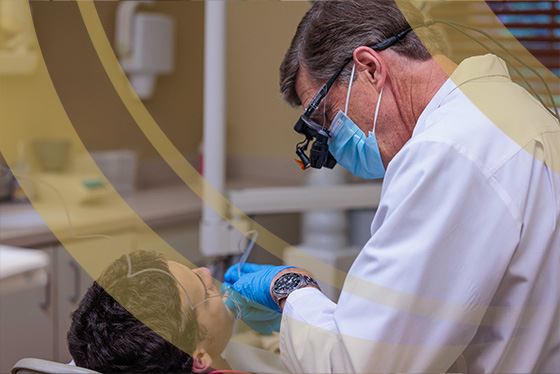
One of our doctors will see you after diagnosing a need for a dental crown. The reasons for a dental crown may vary, but can include large decay, fractures, cracks, erosions, bite correction, esthetics, or after a tooth has been treated with a root canal. Once a treatment plan is devised, they will see you for a preparation appointment. The tooth will be numbed and prepared. Often, a dental filling will be placed at the same time, known as a “core buildup.” Once prepared, an impression of the tooth will be completed and a temporary crown will be placed. Our ceramist will meet with you to discuss the material and appearance you desire. Lastly, you will return in a month to have the final dental crown delivered. This is typically a shorter appointment that may not require any numbing.
Before your preparation visit, our team will review any necessary X-rays and photos, as well as your medical history, to make sure a crown is the safest option for you. We will also discuss how long you should plan to be in the office that day and review any temporary changes you may notice while wearing your provisional crown. For many patients, knowing the timeline and what each step involves makes the experience more relaxed and allows them to plan around work, school, or family commitments.
During the time you are wearing your temporary crown, we encourage you to be mindful of chewing on very hard or sticky foods on that side. This helps protect the tooth and ensures your temporary stays in place while our lab creates your final restoration. If you ever feel that the temporary crown seems high, loose, or uncomfortable, you can call our Buckhead office so we can make small adjustments and keep the process on track for a smooth final delivery.
Benefits Of Dental Crowns For Your Smile
Dental crowns do more than simply cover a damaged tooth; they can play an important role in preserving your overall oral health and comfort. By fully encasing the tooth, a crown helps distribute biting forces more evenly, which can reduce strain on neighboring teeth and jaw joints over time. Crowns can also be designed to close small gaps, smooth out rough edges, and correct minor shape or size irregularities, which can make cleaning easier and help prevent food and plaque from collecting in hard-to-reach areas.
For many patients who are considering cosmetic dentistry, crowns can be part of a broader plan to refresh their smile without removing healthy teeth. When a tooth already has significant wear, cracks, or large fillings, a crown can achieve a similar visual result to veneers while also reinforcing the remaining tooth structure. At Premier Dental Care of Buckhead, we carefully match the color and translucency of your crown to the surrounding teeth so the restored tooth blends in naturally, whether you are talking, laughing, or in photos.
Another key benefit is durability, especially for back teeth that handle a large amount of chewing pressure every day. When cared for with consistent brushing, flossing, and regular cleanings, a well-made crown can last for many years and reduce the chances that you will need more extensive treatments like extractions or implants later. Our doctors will explain how a crown compares with other restorative options in your situation so you understand the expected longevity, maintenance needs, and long-term value before you decide how to move forward.
Aftercare for Dental Crowns
With most dental crowns, you can function on them right away, keeping in mind that your teeth and gums may be numb for several hours. It’s important to continue to brush and floss around your dental crown to prevent new decay from starting. You may experience some initial sensitivity after your teeth are restored as your mouth adjusts to the changes. We will continue to monitor all restorations at your checkup appointments to make sure they are all doing well. Call us today to see how we can help restore your mouth and give you the smile you want!
For the best long-term results, keep these aftercare tips in mind:
- Maintain gentle oral hygiene by brushing twice daily with a soft-bristled toothbrush and flossing carefully around the crown to keep the margins clean.
- Watch what you chew by limiting very hard items like ice or nutshells on the crowned tooth, especially in the first few days after placement.
- Monitor for changes such as ongoing soreness, pressure, or a feeling that the crown is high, and contact our office if these do not improve.
- Protect against grinding by wearing a nightguard if recommended, which can prevent excessive forces that may damage the crown or surrounding teeth.
- Keep regular visits at Premier Dental Care of Buckhead so we can check the fit of your crown, your bite, and the health of the surrounding gums.
Frequently Asked Questions
Will a Dental Crown Feel Different Than My Natural Tooth?
Initially, you might feel a slight difference as your mouth adjusts to the crown. However, a well-fitted crown should feel just like a natural tooth within a few days. Modern dental technology allows for precise fittings, minimizing any noticeable difference.
Is the Dental Crown Procedure Painful?
The procedure is typically not painful. Local anesthesia is used to numb the area, helping keep you comfortable during tooth preparation and crown placement. You might experience some minor sensitivity after the procedure, which can often be managed with over-the-counter pain relievers.
Are There Any Dietary Restrictions After Getting a Dental Crown?
It is advisable to avoid very hard or sticky foods immediately after crown placement, especially while the temporary crown is in place. Once the permanent crown is cemented, you can resume your normal diet, but continue to be mindful of excessively hard foods.
Why Do I Need a Crown After a Root Canal Procedure?
A tooth that has undergone a root canal becomes more brittle and susceptible to fracture. A crown is important to protect the weakened tooth from the heavy forces of biting and chewing, restoring its strength and function.
Can a Dental Crown Get a Cavity?
The crown itself cannot decay, but the natural tooth structure underneath it and at the crown-gum line margin is still susceptible to cavities. This is why excellent oral hygiene, especially flossing around the crown, is crucial.
Is It True That I Might Need a Nightguard to Protect My New Crown?
Yes. If you grind or clench your teeth, our dentist may recommend a custom-fitted nightguard to protect the crown and your natural teeth from excessive wear and potential fracture.
Why Might My Tooth Feel Sensitive After the Crown Preparation?
It is common to experience temporary sensitivity to hot or cold temperatures because the tooth structure has been reduced, exposing the underlying dentin, which the temporary crown protects.
Am I A Good Candidate For A Dental Crown?
Not every tooth that has a filling or minor chip needs a crown, so we look at the full picture when helping you decide on treatment. During your exam, we consider how much healthy tooth remains, the size and location of any cracks, and how your upper and lower teeth come together when you bite. If we see signs that the tooth is at risk for further fracture, or if an existing restoration is failing, a crown often provides a more stable and predictable solution than simply placing another filling.
Call (404) 491-7711 or contact us online today to schedule an appointment and learn more about our dental crowns in Buckhead.